

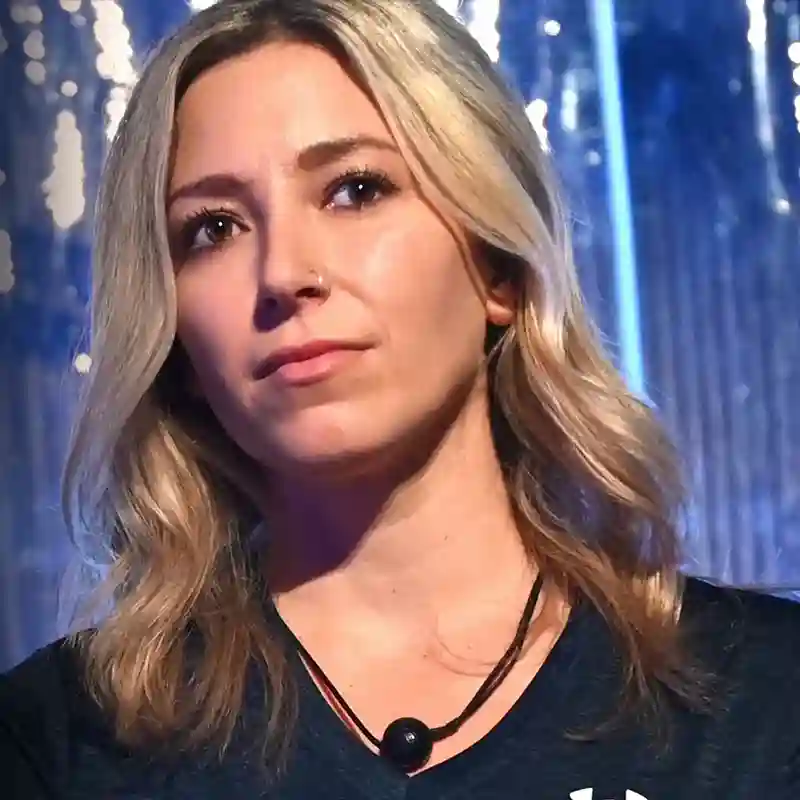
In the intense, isolated world of Fear Factor: House of Fear—the 2026 FOX reboot hosted by Johnny Knoxville—alliances form fast and shatter even faster.
Few arcs captured the emotional highs and lows of the competition like the dynamic between Chelsea Montgomery, the composed communication practitioner and devoted “girl mom” from Oak Ridge, Tennessee, and Rob Rast, the strategic eBike entrepreneur who consistently played for the long haul.
Chelsea’s season stood out for her poise under pressure, using her professional communication skills to navigate house politics, build trust, and survive multiple high-stakes Endgame challenges.
Yet her storyline with Rob highlighted the brutal reality of the game: kindness can be a strength, but in a battle for $200,000, it often becomes a liability.
Chelsea’s Early Alliance: Compassion Meets Strategy
From the premiere, Chelsea emerged as a relatable, level-headed player. Her background in communication helped her form genuine connections in the Fear House, where 14 strangers coexisted amid extreme stunts and shifting loyalties.
Her bond with Rob developed naturally during team-based challenges, such as the drowning-fear stunt in “The Deep” and other group efforts.
A key moment came when Chelsea extended real support to Rob during a tense scenario—helping him in a “grabby” or retrieval-style challenge where her calm approach steadied the situation.
House footage and post-episode clips showed mutual respect: Chelsea’s compassion earned fan praise, with many calling her “the heart of the house” on social media and Reddit.
This alliance appeared solid, giving both players an edge in early immunity rounds and Endgame survivals. Chelsea’s Instagram (@chelseamenow) later reflected on these bonds as one of the season’s biggest positives, noting she gained “lifelong friends” despite the chaos.
The Shocking Betrayal: Rob Turns on His Ally
As the season ramped up into the semi-finals, the pressure intensified with double eliminations and cutthroat nominations.
Rob, leveraging his physical strength and strategic mindset, prioritized self-preservation. In a move that stunned viewers and housemates, Rob targeted Chelsea—selecting her for the Endgame despite her earlier help.
The betrayal sparked immediate backlash. Reddit threads lit up with titles like “SPOILER! Why did Rob not choose another dude??” and fans labeling it a “screw-over” after Chelsea had “helped him so much.”
Official show promos and clips captured the drama: Chelsea’s disbelief (“Stab me in the back, Rob”) and the house fallout, where she and others (like Lance) began gunning for Rob in retaliation.
This twist underscored Fear Factor: House of Fear‘s core theme—fear isn’t limited to stunts like bugs, heights, or biting fish; it’s in the psychological warfare of alliances crumbling when the prize is within reach.
Chelsea’s Resilience Amid Repeated End-Game Battles
Chelsea’s season wasn’t defined by one betrayal. She repeatedly landed in Endgame challenges—often due to house politics rather than weakness—facing fears like maggots, planks, and more. Her composure shone through each time, proving why fans rooted for her as an underdog.
Even after the Rob drama, Chelsea pushed forward, bonding with players like Lance and Ethan while maintaining her dignity. Her reflections on social media highlighted growth: turning betrayal into motivation and emphasizing real connections over game wins.
Finale Expectations: What Could Have Been for Chelsea and the Final Showdown
As the season built to its explosive finale on March 25, 2026, the final four—facing drowning fears, biting fish, and a head-to-head race involving leaps between speeding semi-trucks—promised high drama.
Chelsea’s arc positioned her as a strong contender for the end stages, with her communication edge potentially key in alliances or mental challenges.
Fans speculated on whether she’d reach the final two, avenging the betrayal by outlasting Rob or forcing a dramatic confrontation. If she made the finale, her path would have been a testament to resilience over ruthlessness—proving that steady, kind gameplay could rival brute force.
Ultimately, Chelsea’s journey (whether she reached the ultimate showdown or fell short late) resonated deeply. She showed that in a house built on fear, human connections—and their fractures—deliver the most gripping moments.
Was Rob’s betrayal smart gameplay or an unnecessary risk? Could Chelsea have turned the tables in the finale? Share your thoughts in the comments, and relive the house drama from Fear Factor: House of Fear!